WILLY-EARLGALLERY
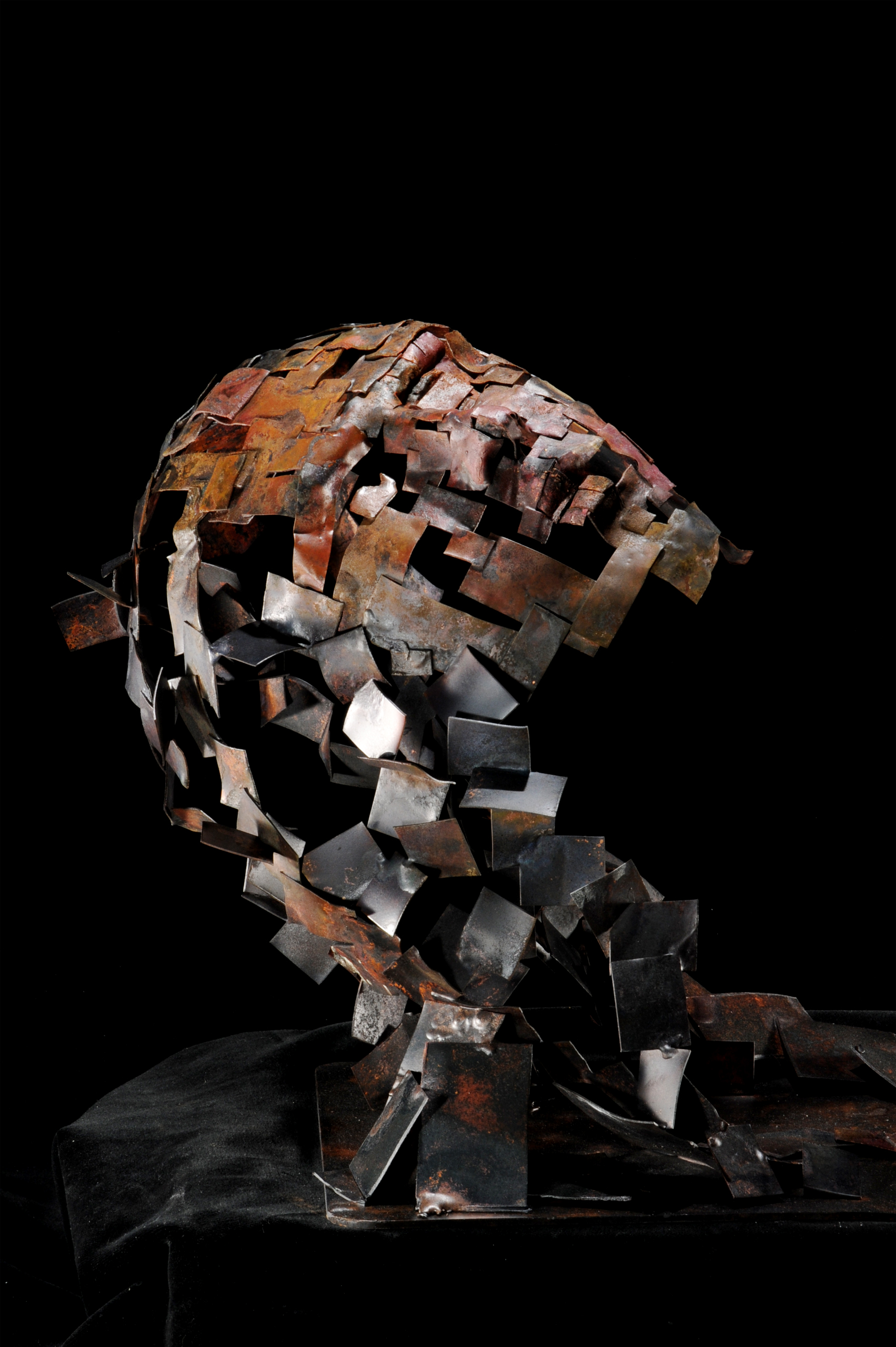
WILLY is born from a constructive process based on the assembly of individually shaped copper tiles, subsequently welded together. Through an entirely manual process, each element is adapted to the original shape and becomes part of a complex structure in which matter, light, and space contribute to the definition of the final image.
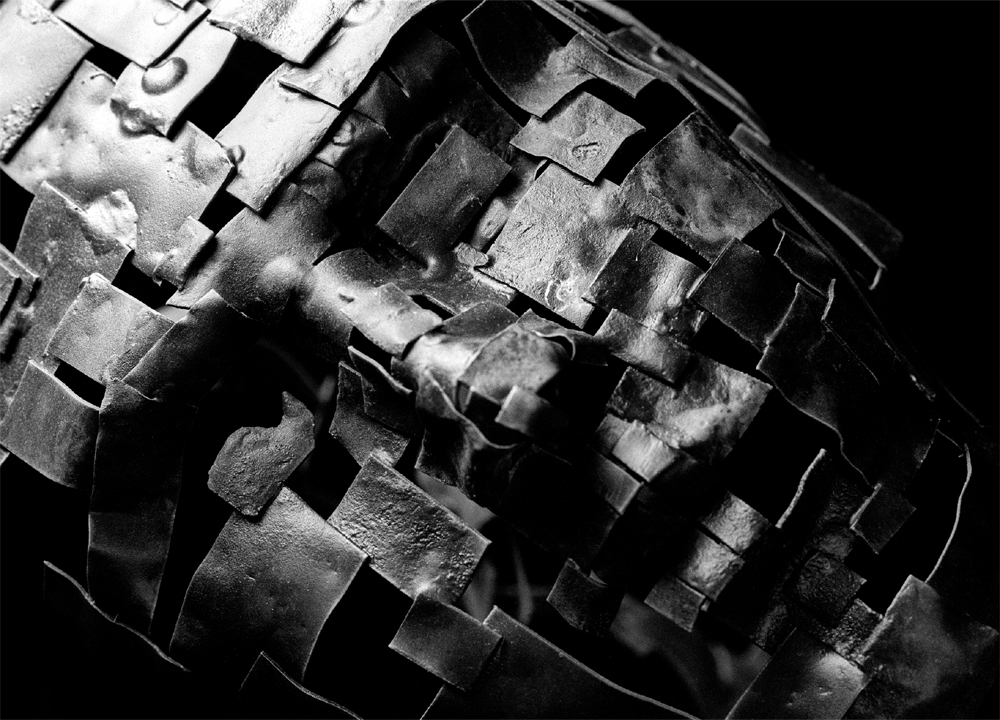
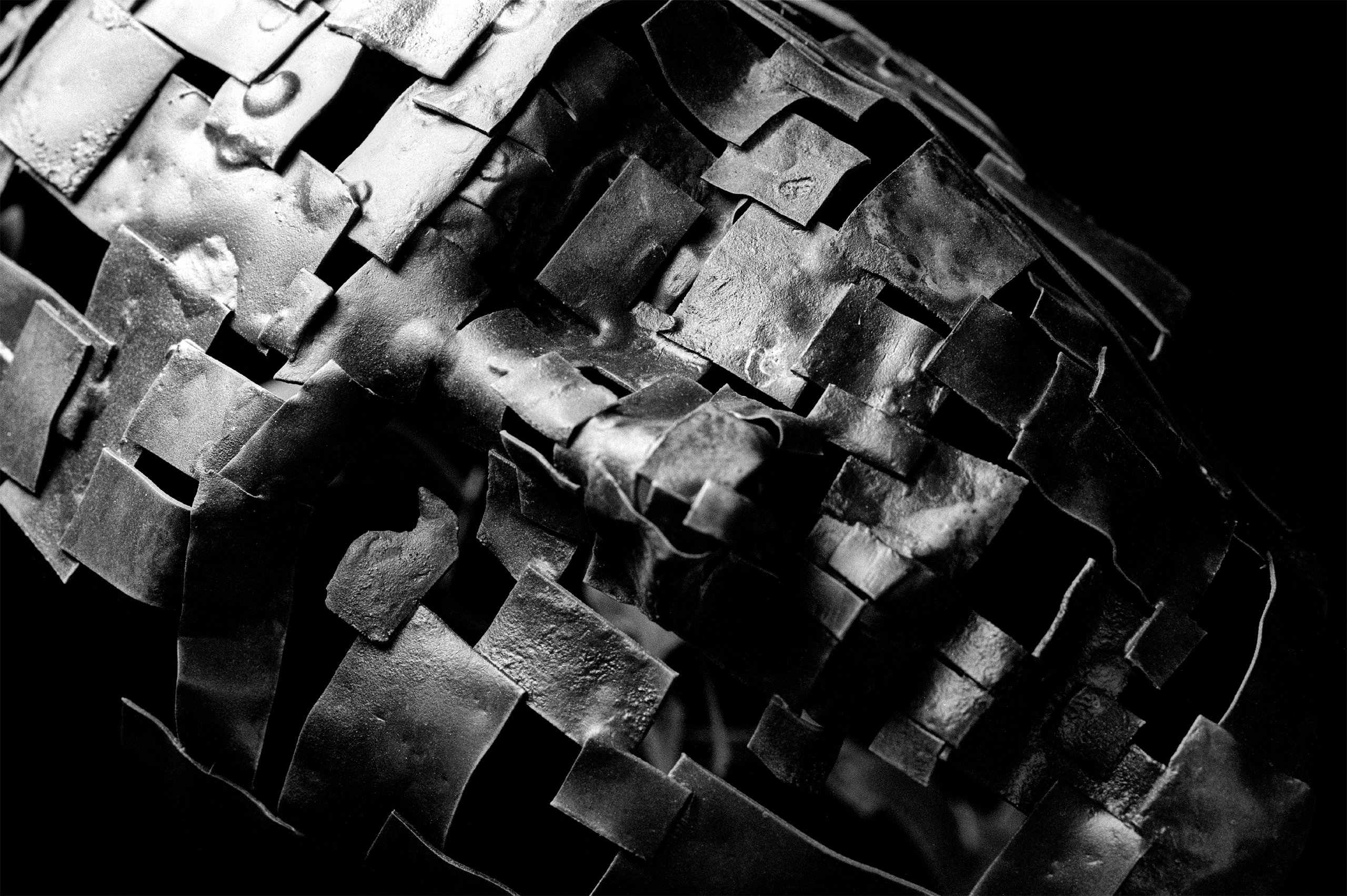
The surface of the artwork develops as a texture composed of numerous fragments that preserve their individuality while participating in a unified whole.
The joints between the tiles are not hidden, but constitute an integral part of the expressive language of the artwork, highlighting the process of construction and transformation of the matter.
A fundamental element of the composition is the relationship between fullness and emptiness. The spaces separating the copper tiles do not represent simple interruptions of the surface, but become active components of the sculpture, contributing to the definition of volumes and generating a continuous dialogue between presence and absence. Light passes through these intervals, creating shadows, depth, and perceptual variations that alter the interpretation of the artwork depending on the point of observation. The inherent characteristics of copper, with its nuances, reflections, and natural chromatic transformations, accentuate the sense of vitality of the surface.
Each tile reacts differently to light, producing a visual vibration that bestows dynamism and intensity upon the whole.
In WILLY, fragmentation becomes the generative principle of the form. The figure emerges from the union of multiple elements which, while maintaining the memory of their autonomy, find a new coherence within a harmonious and balanced construction. The artwork thus delivers a presence that is solid and, at the same time, permeable, in which the matter does not simply occupy space, but defines it and makes it an integral part of the composition.