HOME / ARTWORKS / ACROBATA
ACROBATAGALLERY
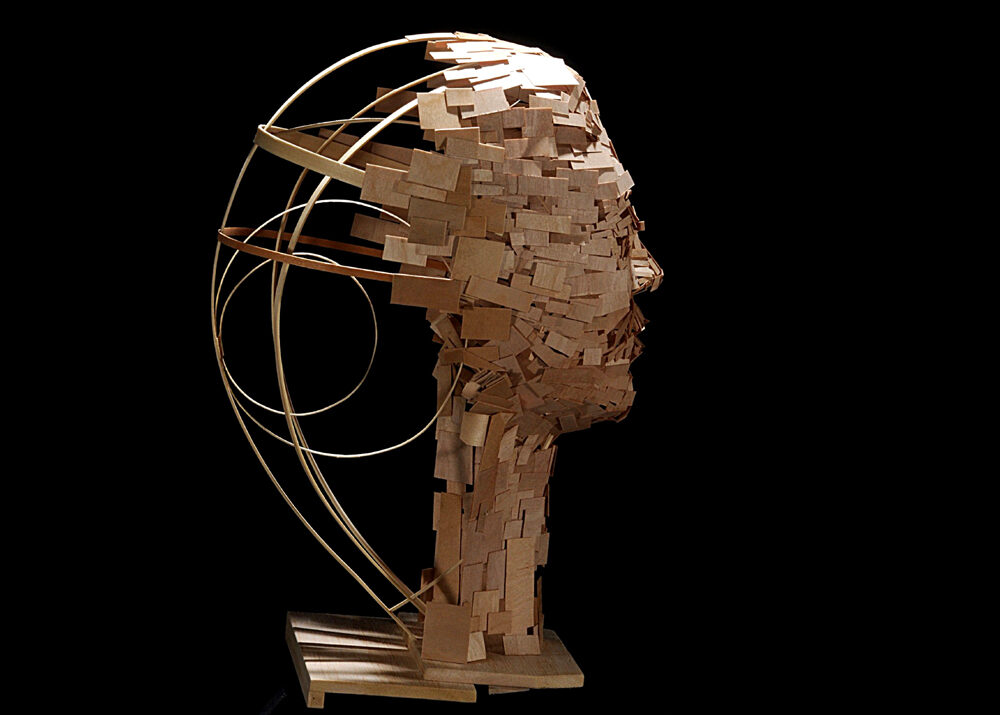
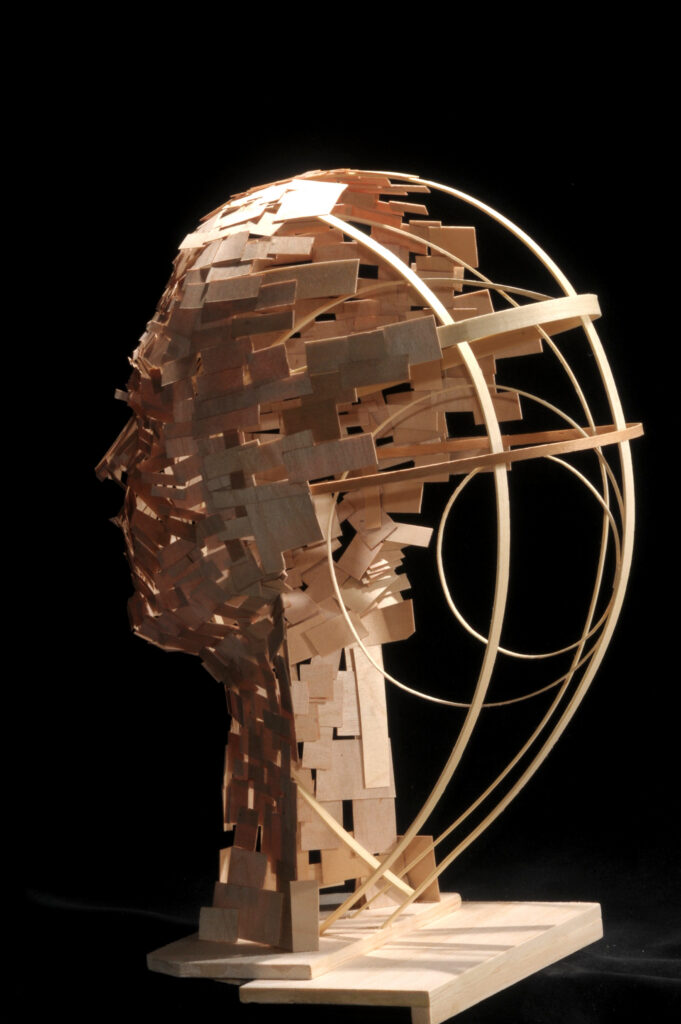
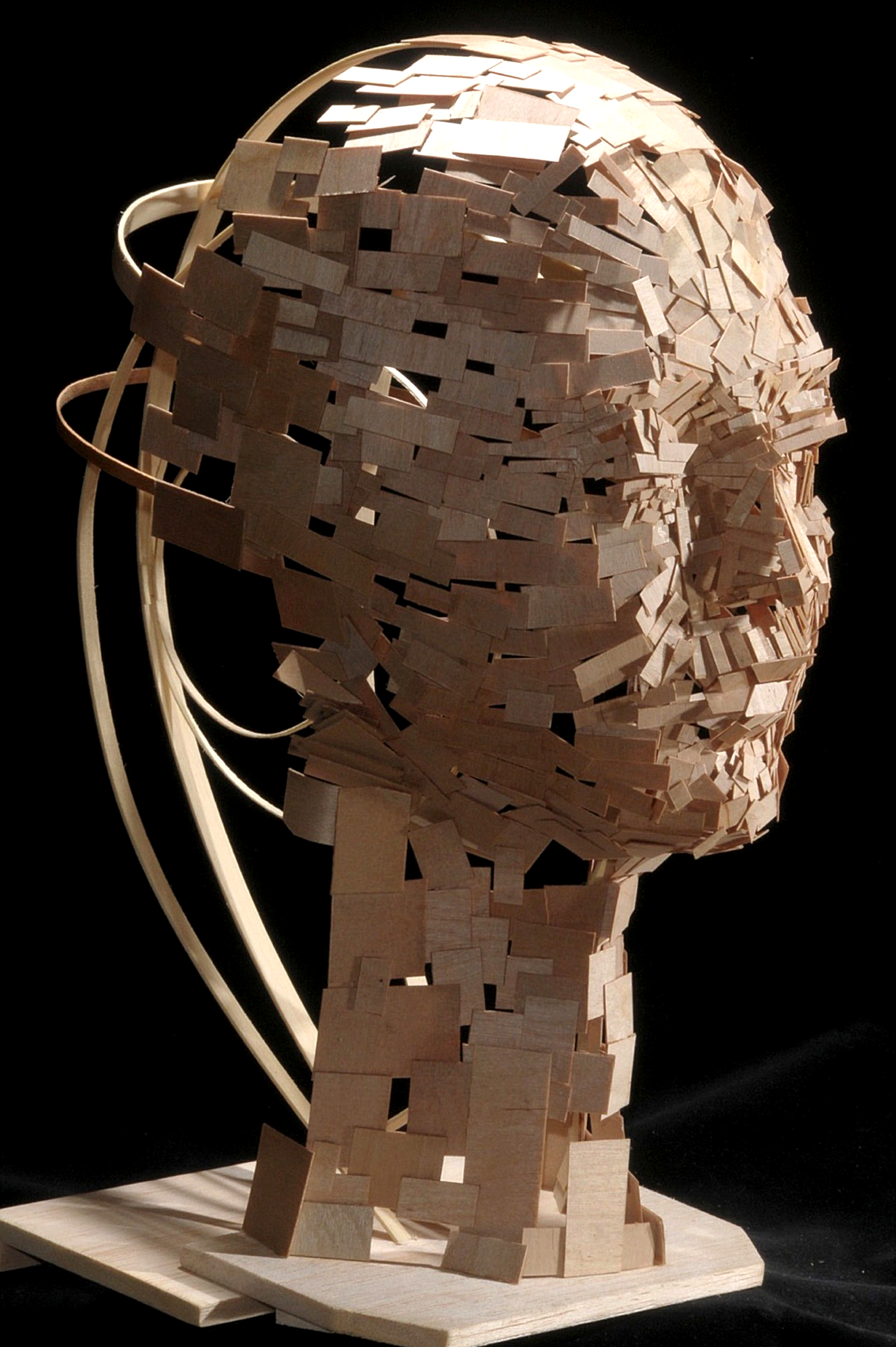
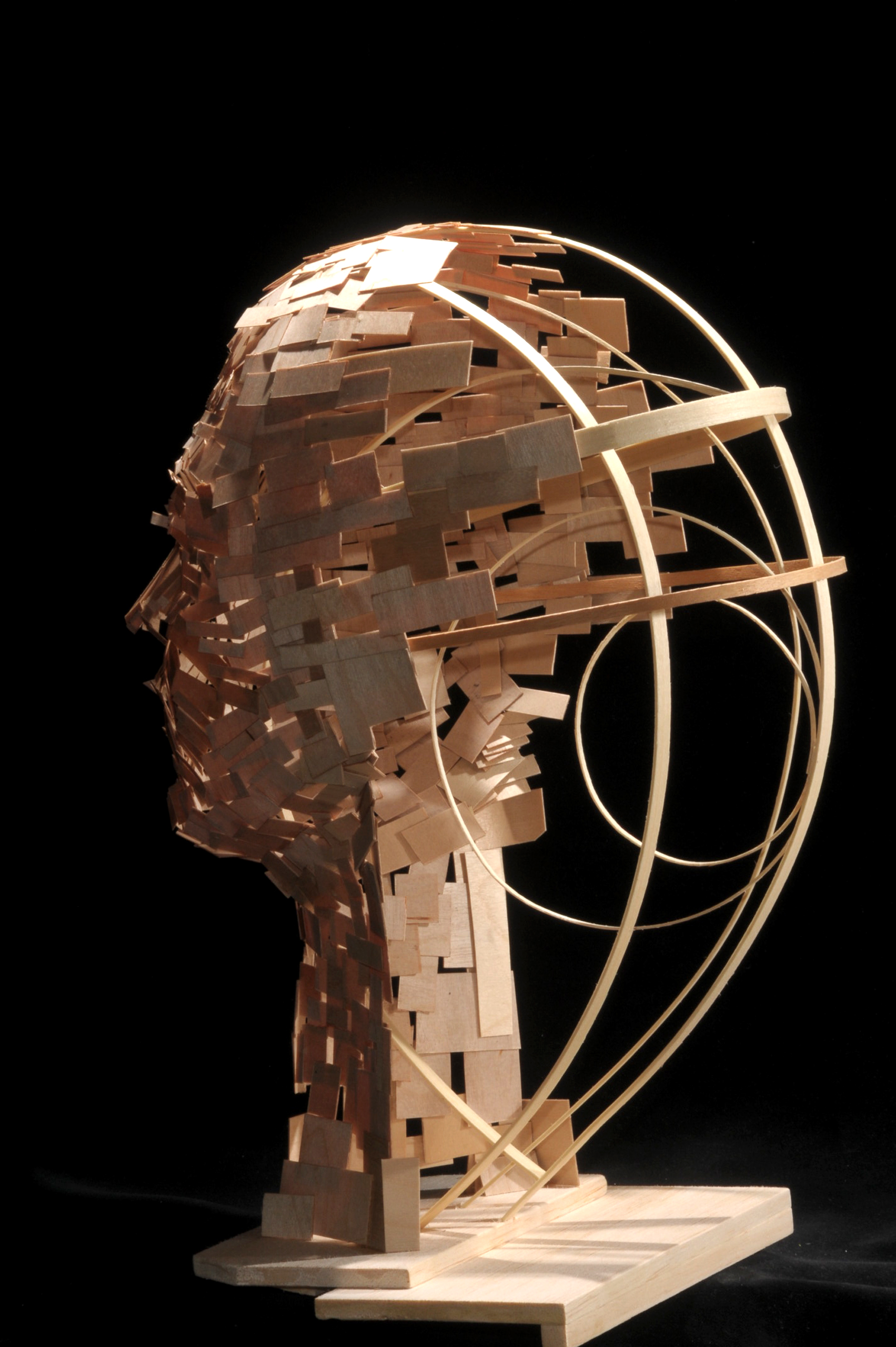
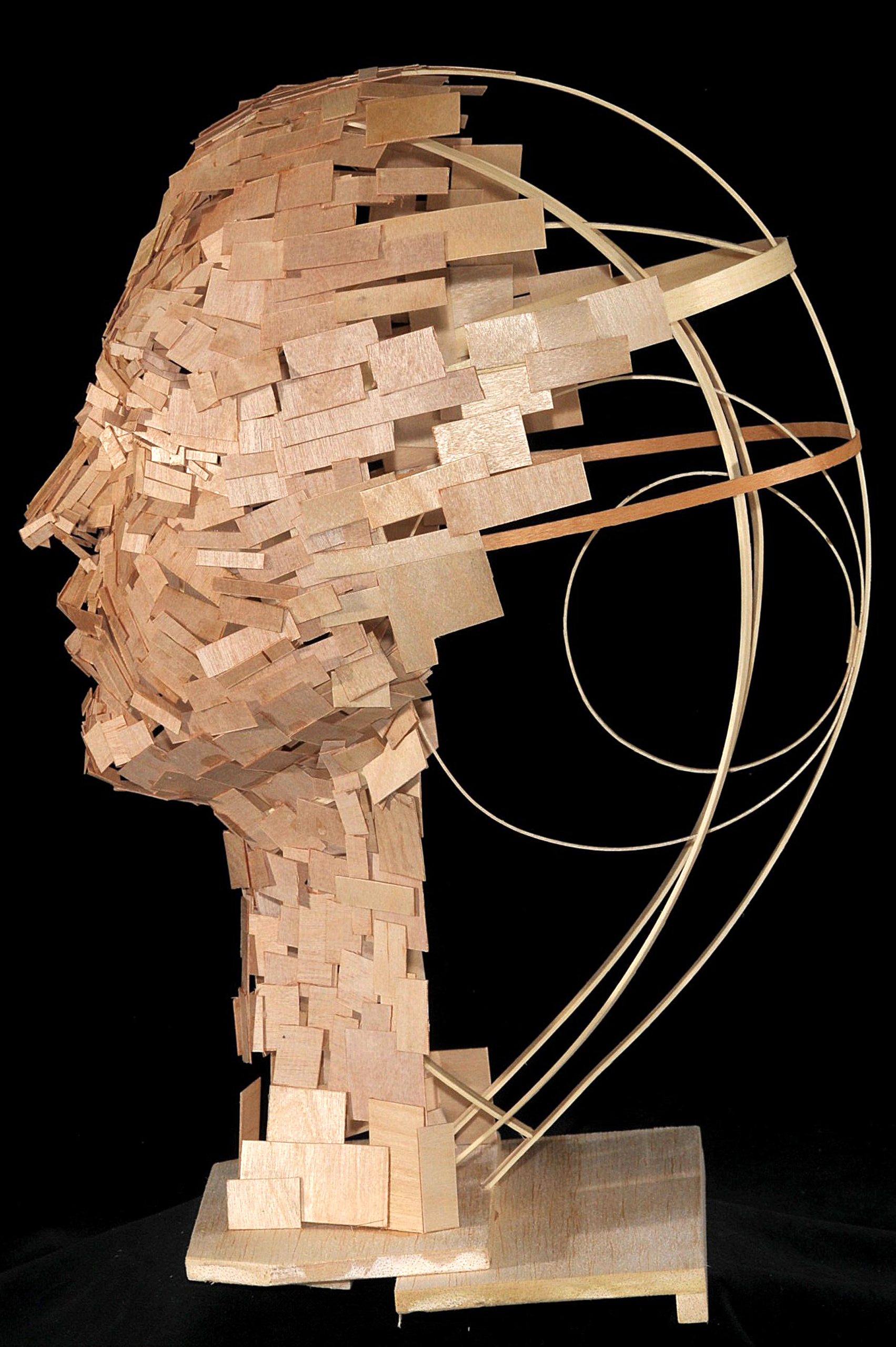
The visual representation of the mental architecture that precedes the gesture:
a dialogue between the precision of the blocks and the fluidity of curves in space.
2015ACROBATA
From the mind, light curves and parabolas free themselves into space: they are the physical materialization of thought, the geometric design of flight and movement before it takes place.
The Acrobata
Wooden blocks
Wooden base
H30-W40-D25
POEM TO THE ARTWORK
I made a cast of fear (the acrobat)
I know its collarbones perfectly.
I’ve even memorized its knees
and I know how to break down all its threats.
I’ve placed error under embargo
and wiped out recurring risks,
razing even the ruins to the ground.
I’ve learned that through sweating
even what divides us is slowly lost.
Then it’s up to time to finish the job.
Once upon a time, it was exercise that welded my uncertainties together
channeling the blood to a more useful task
to starve anxiety, leaving it powerless.
So I know how to weld questions to answers
(like light weapons)
and I trust the tactile judgment of my breath.
Or even if the outside world were to collapse
and the waltz of the unexpected were to break through the balustrade,
I remain a sacred place out of reach.
[paoladebenedictis]
THE ACROBATA GALLERY
The trajectories of the acrobat, before becoming visible to the public, must be clearly present in the acrobat’s own mind. Their strength lies right there. Inside, you have the necessity to be strong. The acrobat is strong, and they are mentally strong even before becoming physically so. Research, precision, care for details: everything contributes to the final result, to move and amaze the audience.
In my work, the face has always been the center of investigation, the mirror and canvas of the soul where emotions become visible. In this artwork, the stability of the human profile, built through the patient overlapping of wooden blocks, represents precisely that inner strength and mental concentration that precede action.
From the mind, light curves and parabolas free themselves into space: they are the physical materialization of thought, the geometric design of flight and movement before it takes place. The rigidity of the geometric structure thus meets the fluidity of the aerial lines, creating a perfect balance between the silent preparation of the artist and the final wonder of the viewer.
EXPRESSIONIN WORKACROBATAFRAGMENTS
The technique is based on the use of copper fragments that are generally regular.
After duplicating the original model made of clay, a duplicate is
cast using a material that is refractory to heat but resistant enough to support the hammering required to adapt each individual copper plate.
The individual plates are then placed onto the refractory reproduction of the original model, adapted with a hammer, and, after being heated, welded to one another.
In this way, the human figure, the face, or other subjects are reconstructed.
The correct relationship between the fullness determined by the plates and the emptiness left between them is crucial.